
Transforming Workspaces: A Comprehensive Guide to Achieving Greater Sustainability in London Office Design
QUICK SUMMARY: As the world shifts towards greater environmental consciousness, London office design is undergoing a transformative revolution. Companies are increasingly recognising that the workspace is not just a place for productivity but also a powerful platform for sustainable action. This comprehensive guide delves into innovative practices and design strategies that can lead to greener, more sustainable office environments. Whether you’re a business leader looking to minimise your ecological footprint or a designer seeking inspiration, this article offers actionable insights into creating workspaces that embody sustainability in every aspect. From selecting eco-friendly materials to optimising energy efficiency, we’ll explore how thoughtful design choices can enhance not only the workplace but also contribute to a healthier planet. Join us on this journey to discover how sustainable office design in London is shaping the future of work for the better, one space at a time.
Understanding the Importance of Sustainable Office Design
The global shift towards sustainability has permeated various sectors and office design is no exception.
In London, a city known for its innovative approach to architecture and urban planning, sustainable office design is gaining significant traction. This shift is not just about adhering to environmental regulations but also about fostering a culture of responsibility and mindfulness towards our ecosystem.
Sustainable office design integrates eco-friendly practices into every aspect of the workspace, from the choice of materials to energy usage, ultimately reducing the overall carbon footprint.
Implementing sustainable office design is crucial for several reasons. Firstly, it addresses the growing concerns about climate change and environmental degradation. By adopting green practices, companies contribute to the reduction of greenhouse gas emissions and the conservation of natural resources. This, in turn, helps mitigate the adverse effects of global warming, such as rising sea levels and extreme weather conditions, which can have far-reaching impacts on urban areas like London.
Moreover, sustainable office design enhances the well-being of employees. Workspaces that incorporate natural light, improved air quality and ergonomic furniture promote better health and productivity. Employees who work in environmentally conscious spaces tend to have lower stress levels and higher job satisfaction. This holistic approach to office design not only benefits the planet but also creates a positive and healthy work environment, fostering innovation and efficiency.
Key Principles of Sustainable Workspace Design
Several key principles underpin the concept of sustainable workspace design. One of the most fundamental principles is the efficient use of resources. This involves selecting materials and processes that minimise waste and reduce the consumption of energy and water. For instance, using recycled or upcycled materials not only conserves natural resources but also reduces the energy required to produce new materials. Additionally, implementing water-saving fixtures and energy-efficient lighting systems can significantly lower the environmental impact of an office space.
Another principle is the integration of renewable energy sources. Harnessing solar, wind or geothermal energy can drastically reduce an office's dependency on fossil fuels. In London, where the government is actively promoting the use of renewable energy, many office buildings are incorporating solar panels and wind turbines into their designs. This not only supports the city's sustainability goals but also leads to long-term cost savings for businesses through reduced energy bills.
A third principle is the creation of a healthy and adaptive environment. Sustainable office design prioritises the well-being of its occupants by ensuring good indoor air quality, adequate natural lighting and comfortable temperatures. This can be achieved through the use of non-toxic materials, proper ventilation systems and the strategic placement of windows and skylights. Moreover, designing flexible workspaces that can be easily reconfigured to meet changing needs reduces the need for frequent renovations, thereby minimising waste and resource consumption.
Benefits of Sustainability in Office Design
The benefits of adopting sustainability in office design are manifold, impacting not just the environment but also the economic and social aspects of a business. One of the most immediate benefits is cost savings. Sustainable office practices, such as energy-efficient lighting and heating systems, water-saving fixtures and the use of renewable energy, can lead to significant reductions in utility costs. Over time, these savings can offset the initial investment required for implementing green technologies.
In addition to financial savings, sustainable office design can enhance the company's brand image and reputation. In today's market, consumers and clients are increasingly favouring businesses that demonstrate a commitment to environmental responsibility. By adopting sustainable practices, companies can attract environmentally conscious customers and partners, thereby gaining a competitive edge. This positive image can also help in attracting and retaining top talent, as more employees seek to work for organisations that align with their values.
Sustainable office design also contributes to the overall health and well-being of employees. Workspaces that incorporate natural elements, such as plants and ample daylight, have been shown to improve mood, reduce stress and increase productivity. Improved air quality, achieved through the use of low-emission materials and proper ventilation, can reduce the incidence of respiratory issues and other health problems. These benefits lead to lower absenteeism and higher employee satisfaction, which can have a positive impact on the company's bottom line.
Current Trends in Sustainable Office Design in London
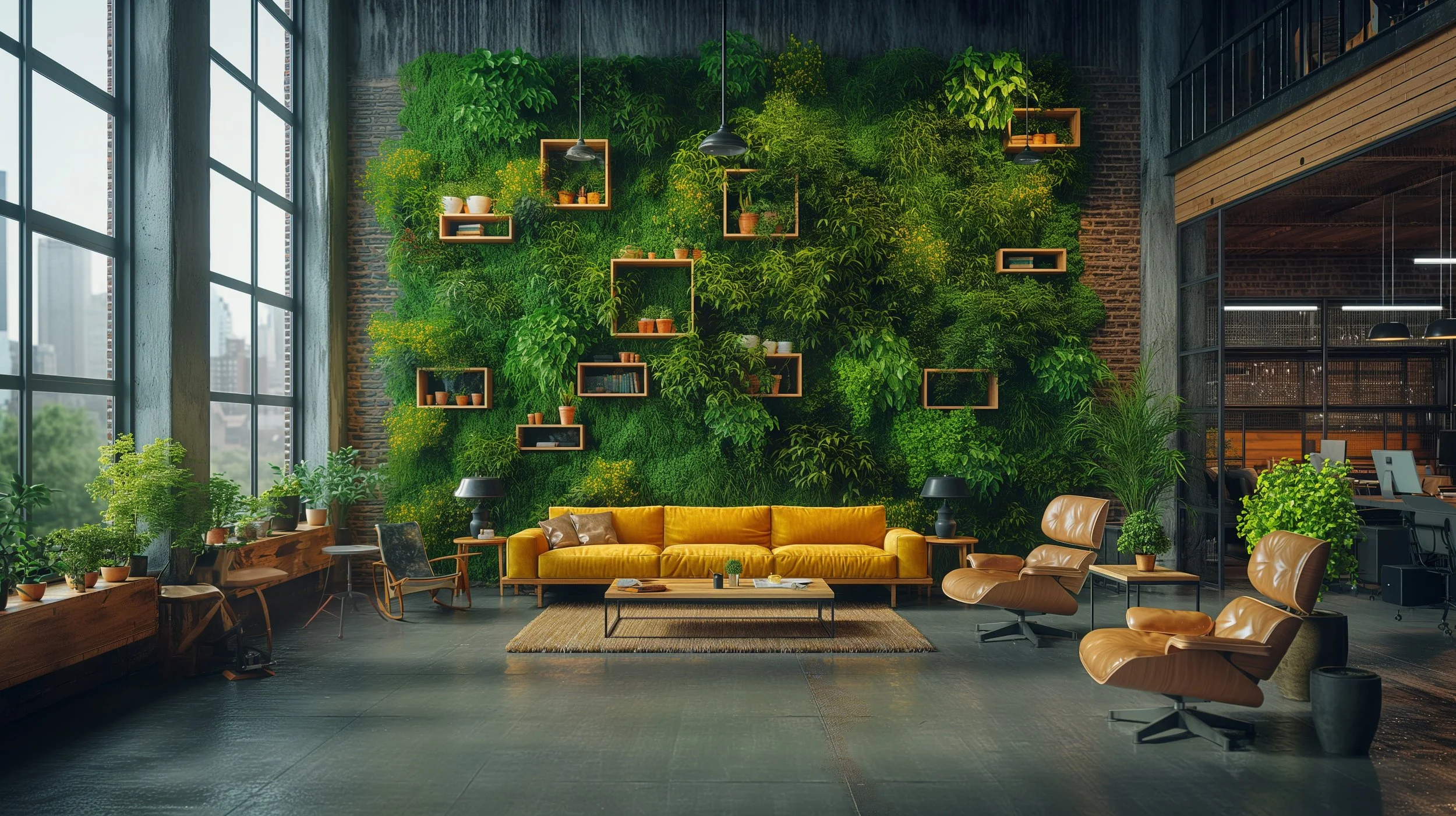
London is at the forefront of sustainable office design, with several emerging trends shaping the future of workspaces in the city. One such trend is the use of green roofs and walls. These living structures not only enhance the aesthetic appeal of office buildings but also provide numerous environmental benefits, such as improved air quality, reduced urban heat island effect and increased biodiversity. Many office buildings in London are now incorporating green roofs and walls as part of their sustainability initiatives.
Another trend is the emphasis on circular economy principles. This involves designing office spaces with a focus on longevity, adaptability and resource efficiency. For example, furniture and fixtures are chosen for their durability and potential for reuse or recycling. Modular design is also gaining popularity, allowing for easy reconfiguration of workspaces to meet changing needs without generating waste. This approach not only reduces the environmental impact but also provides cost savings over the long term.
The incorporation of smart technology is also transforming sustainable office design in London. Smart systems can optimise energy use by adjusting lighting, heating and cooling based on occupancy and usage patterns. These technologies can also monitor and manage water usage, ensuring that resources are used efficiently. Furthermore, smart office solutions can enhance the overall work experience by providing real-time data on indoor air quality, temperature and other environmental factors, allowing for a more comfortable and productive work environment.
Essential Elements of Eco-Friendly Office Spaces
Creating an eco-friendly office space involves several essential elements, each contributing to the overall sustainability of the workspace. One of the primary elements is the selection of sustainable materials. This includes using materials that are recycled, upcycled or sourced from renewable resources. For instance, furniture made from reclaimed wood or recycled metal can reduce the demand for new raw materials and minimise waste. Similarly, using low-VOC (volatile organic compounds) paints and finishes can improve indoor air quality and reduce harmful emissions.
Energy efficiency is another crucial element of eco-friendly office spaces. Implementing energy-efficient lighting, such as LED bulbs, can significantly reduce electricity consumption. Additionally, installing smart lighting systems that adjust based on natural light levels and occupancy can further enhance energy savings. Heating, ventilation and air conditioning (HVAC) systems should also be optimised for efficiency, with regular maintenance to ensure they operate at peak performance. Incorporating renewable energy sources, such as solar panels, can further reduce the office's carbon footprint.
Water conservation is also a key component of sustainable office design. This can be achieved through the use of water-saving fixtures, such as low-flow faucets and toilets, as well as the installation of rainwater harvesting systems. These systems collect and store rainwater for use in irrigation, flushing toilets and other non-potable applications, reducing the demand on municipal water supplies. Additionally, incorporating drought-tolerant landscaping and native plants can further reduce water usage and support local biodiversity.
Incorporating Biophilic Design in Workspaces
Biophilic design is an innovative approach that integrates natural elements into the built environment to enhance the connection between humans and nature. In the context of office design, biophilic principles can significantly improve the well-being and productivity of employees. One of the primary ways to incorporate biophilic design is through the use of natural light. Maximising the amount of daylight in the workspace can reduce the need for artificial lighting, lower energy consumption and create a more pleasant and stimulating environment.
In addition to natural light, incorporating greenery and natural materials into the office space can have a profound impact on the overall ambiance and health of the workspace. Indoor plants not only improve air quality by filtering pollutants but also create a calming and visually appealing environment. Natural materials, such as wood, stone and bamboo, can be used in furniture, flooring and decor to create a warm and inviting atmosphere. These elements can help reduce stress, enhance creativity and promote a sense of well-being among employees.
Water features, such as indoor fountains or aquariums, can also be integrated into the office design to create a soothing and tranquil environment. The sound of flowing water can have a calming effect, while the presence of water can create a sense of connection to nature. Additionally, designing outdoor spaces, such as rooftop gardens or terraces, can provide employees with opportunities to spend time in nature during breaks, further enhancing their overall well-being and productivity.
Sustainable Materials and Their Impact on Office Design
The choice of materials in office design plays a critical role in achieving sustainability goals. Sustainable materials are those that have a minimal environmental impact throughout their lifecycle, from extraction and production to use and disposal. One of the most commonly used sustainable materials is reclaimed wood. Reclaimed wood is sourced from old buildings, barns or warehouses and repurposed for use in new construction. This not only reduces the demand for new timber but also gives the wood a second life, adding character and history to the office space.
Recycled materials are also an essential component of sustainable office design. For example, recycled metal can be used in the construction of furniture, fixtures and structural elements. Similarly, recycled glass can be used for windows, partitions and decorative elements. These materials reduce the need for new raw materials and minimise waste, contributing to a circular economy. Additionally, using materials with a high recycled content can earn points towards green building certifications, such as LEED (Leadership in Energy and Environmental Design).
Another important consideration is the use of low-emission materials. Many conventional building materials, such as paints, adhesives and finishes, contain volatile organic compounds (VOCs) that can off-gas harmful chemicals into the indoor environment. Choosing low-VOC or zero-VOC materials can significantly improve indoor air quality and create a healthier work environment. Additionally, selecting materials that are locally sourced can reduce the environmental impact associated with transportation and support local economies.
Energy Efficiency Strategies for Modern Offices
Energy efficiency is a cornerstone of sustainable office design and there are several strategies that modern offices can implement to reduce their energy consumption. One of the most effective strategies is the use of energy-efficient lighting. LED bulbs, for example, use significantly less energy than traditional incandescent bulbs and have a much longer lifespan. Additionally, incorporating smart lighting systems that adjust based on occupancy and natural light levels can further enhance energy savings and reduce electricity costs.
Optimising HVAC systems is another critical aspect of energy efficiency. Regular maintenance and servicing of HVAC systems ensure that they operate at peak performance, reducing energy consumption. Implementing programmable thermostats and smart HVAC controls can also help manage heating and cooling more efficiently, adjusting temperatures based on occupancy and usage patterns. Additionally, improving insulation and sealing air leaks can prevent heat loss in the winter and reduce the need for air conditioning in the summer, further enhancing energy efficiency.
Renewable energy sources, such as solar panels and wind turbines, can also play a significant role in reducing an office's reliance on fossil fuels. Many modern office buildings in London are now incorporating renewable energy systems into their designs, taking advantage of government incentives and subsidies. These systems not only reduce greenhouse gas emissions but also provide long-term cost savings on energy bills. Additionally, implementing energy storage solutions, such as batteries, can help manage energy use more effectively and ensure a reliable power supply.
Future Directions for Sustainable Office Design in London
As the demand for sustainable office design continues to grow, several emerging trends and innovations are likely to shape the future of workspaces in London. One such trend is the increasing use of digital technologies and data analytics to optimise building performance. Smart building systems can collect and analyse data on energy use, water consumption and indoor environmental conditions, allowing for real-time adjustments and more efficient resource management. These technologies can also provide valuable insights for continuous improvement and long-term sustainability planning.
Another future direction is the integration of wellness and sustainability. The WELL Building Standard, for example, focuses on creating spaces that enhance the health and well-being of occupants, incorporating principles such as air quality, natural light and biophilic design. As companies recognise the link between employee well-being and productivity, there is likely to be a growing emphasis on creating workspaces that support both environmental and human health.
Circular economy principles are also expected to play a more prominent role in sustainable office design. This involves designing buildings and spaces that are adaptable, durable and resource-efficient, with a focus on reuse, recycling and regeneration. By adopting circular economy practices, companies can reduce waste, lower costs and create more resilient and sustainable workspaces. As London continues to lead the way in sustainable urban development, the future of office design is set to be characterized by innovation, responsibility and a commitment to creating a better world for all.